


Cannabis Flower in Chiang Mai: What to Look For
How to judge cannabis flower by eye, nose and feel, and what the northern Thai climate does to a crop. Written by people who grow it an hour up the road.
Last reviewed
Most guides to judging cannabis were written for climates nothing like this one. Chiang Mai has its own variables, and knowing them changes what you should be looking at.
Start with your nose
Smell tells you more than anything else, and it is the first thing to go when something has been handled badly.
Good flower smells of itself. Citrus, fuel, pine, sweet, whatever the strain does. Distinct, and strong enough that opening the jar changes the room.
Bad signs:
- Hay or cut grass. Dried too fast, usually with heat. The terpenes went with the water.
- Ammonia. Something went wrong in the cure. Put it down.
- Nothing at all. Either very old, or stored in light and heat until there was nothing left.
If a shop will not let you smell it, that is an answer in itself.
Then look at it
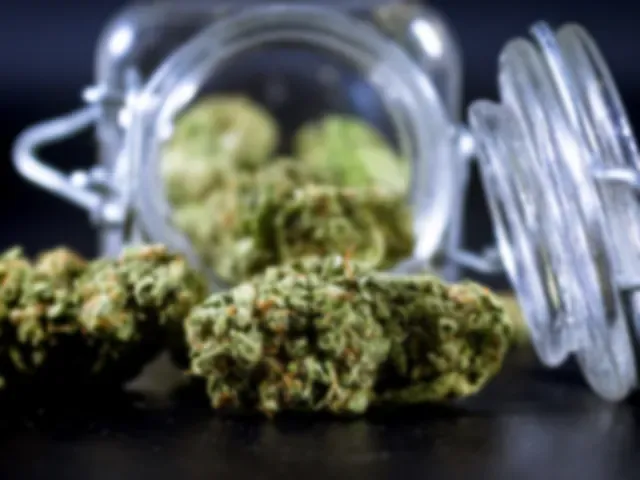
Trichomes. The frost on the surface. Under any decent light you should see them as individual heads, not a dull sheen. That is where most of what you are buying lives.
Structure. Dense but with give. Rock hard often means it was pressed or grown with something that shouldn’t have been. Sponge means it never dried properly and is a mould risk in this climate.
Colour. Greens, purples if the genetics do that, pistils in orange or amber. Brown edges mean age or heat damage. Anything grey or fuzzy in a crevice is mould, and that matters far more here than in a dry climate.
Trim. Tight hand trim is a labour choice, not a quality guarantee, but a bag full of leaf tells you somebody was in a hurry.
Then the feel
Break a piece. It should resist slightly, then come apart. Powder means over-dried. Squash means under-dried, which in Thailand is the dangerous one, because moisture plus this humidity equals mould in days.
Why the Chiang Mai climate matters
Northern Thailand gives growers light for free. Long season, strong sun, the conditions colder countries spend a fortune replicating.
Then June arrives and so does eighty-five percent humidity, for four months.
That is the whole difficulty here. Mould is the dominant risk from roughly June to October, and everything about good growing in this region is downstream of it: airflow, dehumidification, wider plant spacing than the yield charts recommend. You lose some density and you keep the crop.
It also means storage matters more here than almost anywhere. Sealed glass, out of light, a two-way humidity pack if you have one. Flower left in a paper bag on a hotel windowsill in August is a different product by the weekend.
On THC percentages
Be sceptical. Lab testing in the Thai market is patchy, and a lot of the numbers on cards are estimates written with a confidence they have not earned.
A number also tells you less than people think. Total THC is one input. Terpene profile, how it was cured, and your own tolerance all shape the experience more than the difference between 22 and 26 percent.
A shop that says “we have not tested this batch, here is how it behaves” is being straighter with you than one quoting 31 percent off the cuff.
Indoor, outdoor, and what we do
Neither is automatically better. Sun-grown in the right season, properly dried, can be excellent and tastes like where it came from. But the wet season makes outdoor a gamble here, which is why most of the consistent quality in northern Thailand comes from indoor or covered growing.
We grow at Laddaland Farm an hour south of the shop at San Pa Tong, and we buy the rest from growers around Chiang Mai we know personally. Either way we can tell you who grew it, and when a batch is average we say so.
Buying it legally
Since 26 June 2025, cannabis flower in Thailand is a controlled herb. You need a PT 33 prescription from a licensed practitioner and a licensed shop. We cover that here.
No prices or stock on this site, by the way. Thai licensing rules prohibit advertising controlled herbs, so the shelf is a conversation you have with us in person or in a message.
Common questions
What should good cannabis flower look like?
Dense but not rock hard, with visible trichomes, intact orange or amber pistils, and no browning at the edges. It should break apart with a little resistance rather than crumbling to dust or squashing like a sponge.
How can you tell if cannabis has been dried too fast?
Fast-dried cannabis smells of cut grass or hay rather than of the strain, crumbles to powder when broken, and burns harsh with a dark ash. A proper slow dry and cure preserves the terpenes that carry the smell.
Does cannabis go bad in a humid climate?
Yes. High humidity encourages mould, and light and heat degrade terpenes and cannabinoids over time. In northern Thailand, cannabis should be kept in sealed glass out of direct light, ideally with a two-way humidity pack.
Is indoor or outdoor cannabis better in Thailand?
Neither is automatically better, but the wet season from June to October makes outdoor growing in northern Thailand high risk for mould. Most consistent quality there comes from indoor or covered growing where humidity can be controlled.