


Terpenes Explained: Why Two Sativas Feel Nothing Alike
Terpenes are the aromatic compounds that give cannabis its smell, and they shape how a cultivar feels at least as much as the indica or sativa label does. A plain guide.
Last reviewed
Ask why two sativas felt completely different and you will usually get “different phenotype” and a shrug. The more useful answer is that you were smelling two different terpene profiles.
What they are
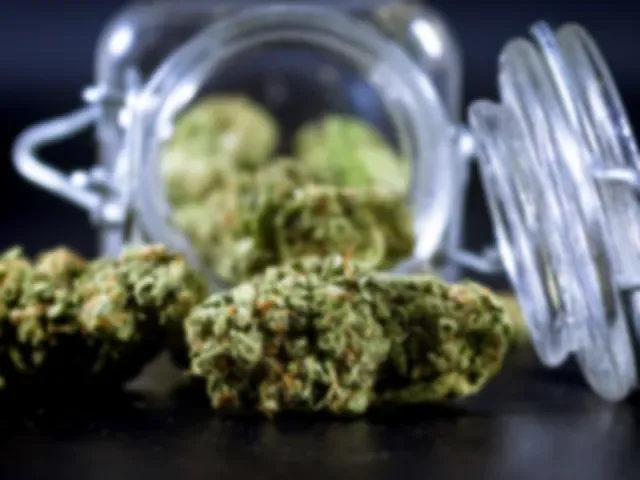
Terpenes are aromatic compounds the plant produces. They are the smell. Open a jar, and what hits you is terpenes evaporating.
They are not exotic and not unique to cannabis. Limonene is what citrus peel smells of. Pinene is pine needles. Caryophyllene is in black pepper. The plant is not doing anything chemically unusual, it is just doing a lot of it at once.
Why the indica and sativa labels keep failing you
The labels describe plant structure and growth habit more than they describe effect. Two plants can both be correctly filed as sativa and share almost nothing in aroma or character.
Terpene profile tracks the experience more closely. It is not the whole story, and the interaction between terpenes and cannabinoids is still argued over, but as a practical guide to “will I like this” it beats a three-way category with a lot of daylight inside it.
The ones you will actually meet
Myrcene. Earthy, musky, a bit like ripe fruit. Very common. Associated with the heavier, more sedating end.
Limonene. Citrus, bright, sharp on the nose. Tends to show up in things people describe as lifting.
Caryophyllene. Peppery and spicy. Unusual among terpenes in that it interacts with the body’s cannabinoid receptors directly.
Pinene. Pine, fresh, sharp. Often described as clear-headed.
Linalool. Floral, lavender. Softer, calmer profiles.
Humulene. Hoppy and woody, which is not a coincidence: it is a major terpene in beer hops.
Terpinolene. Harder to pin down. Floral, herbal, slightly citrus. Frequently in the brighter cultivars.
The honest caveat
You will read confident claims that limonene elevates mood and myrcene sedates. Treat these as observations about tendencies, not as pharmacology.
The research is real but thinner than the marketing suggests, most of it is not on humans smoking flower, and dose matters enormously. Anyone who tells you a terpene reliably produces a specific outcome is selling you certainty they do not have.
What is solidly true: terpene profiles differ, you can smell the difference, and your own reactions are consistent enough to learn from.
Percentages on labels
Be sceptical. A terpene percentage means something if it came from a lab test of that batch. It means nothing if it was copied from a seed catalogue, and a great deal of published terpene data is exactly that.
We do not print percentages on our cultivars for this reason. We test nothing batch by batch, so any number we published would be somebody else’s number wearing our label. We list which terpenes lead the nose, which is a thing we can actually tell you.
Ask any shop where a figure came from. The answer is informative either way.
How to use this
Stop reading the label first. Smell the jar first.
Then pay attention to what you liked, and remember the terpene names attached to it rather than the cultivar name. Cultivar names change, get renamed and get misapplied constantly. Aroma families are stable.
Two or three purchases in, you will notice you are reaching for the same profile. That is the point at which you can walk into an unfamiliar shop, say “something limonene-forward and bright”, and get somewhere useful.
Common questions
What are terpenes in cannabis?
Terpenes are aromatic compounds produced by the plant. They are what you smell when you open a jar, and they are not unique to cannabis: the same molecules give citrus peel, pine needles and black pepper their smell.
Do terpenes affect how cannabis feels?
They appear to shape the character of the experience, which is why two cultivars with the same label and similar THC can feel quite different. The precise mechanism is still debated, and anyone telling you a terpene reliably produces a specific effect is overstating the evidence.
What are the main cannabis terpenes?
The ones you meet most often are myrcene, limonene, caryophyllene, pinene, linalool, humulene and terpinolene.
Is a terpene percentage on a label meaningful?
Only if it came from a laboratory test of that batch. Many shops publish figures that came from a seed catalogue or from nowhere at all. Ask where the number came from.
How do I use terpenes to choose cannabis?
Smell it, and notice what you like. Then remember the names of what worked. Over a few purchases you will find you are choosing by aroma family rather than by the indica or sativa label, which is a better guide.